


Context
A notetaker that chose a vertical
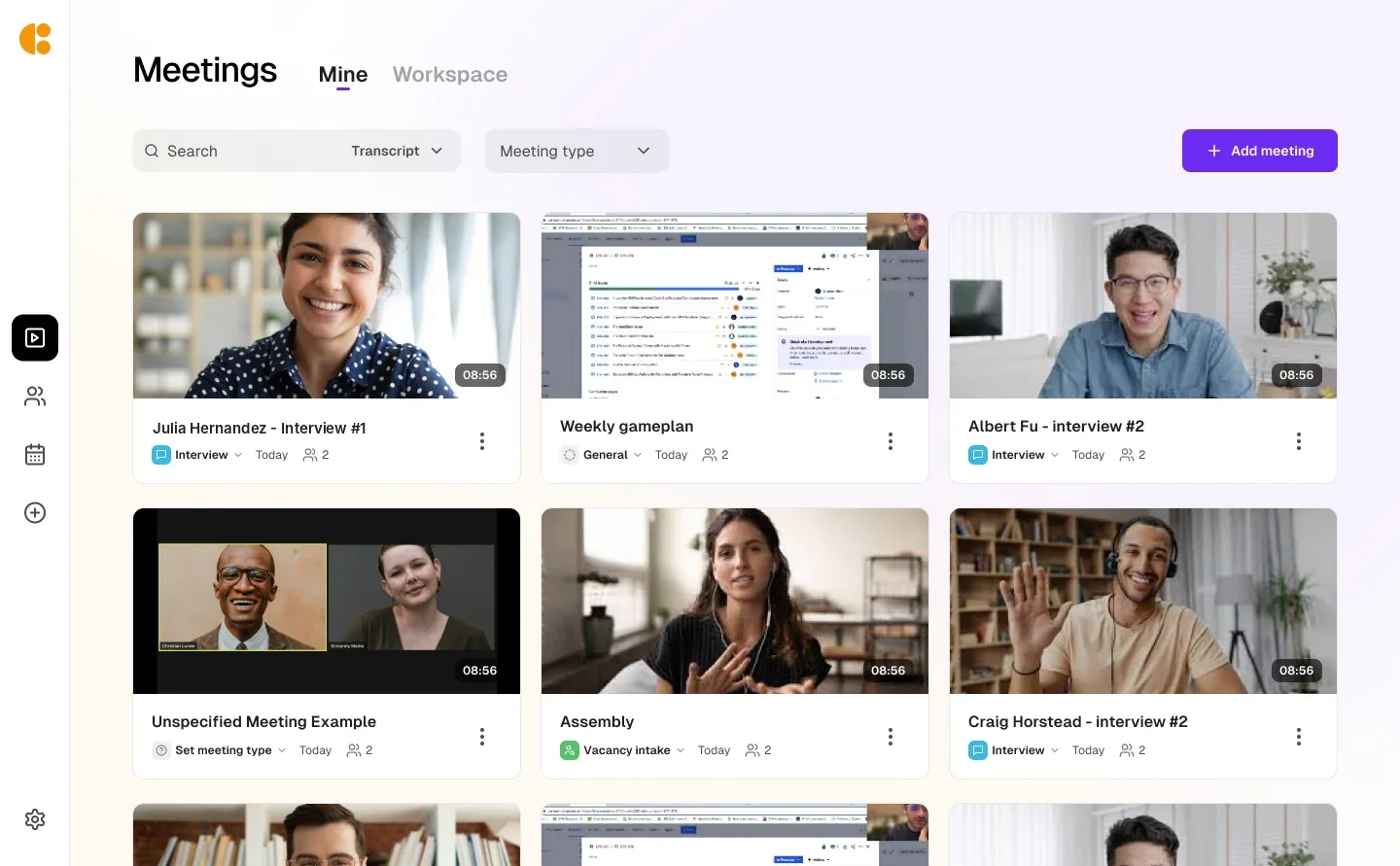
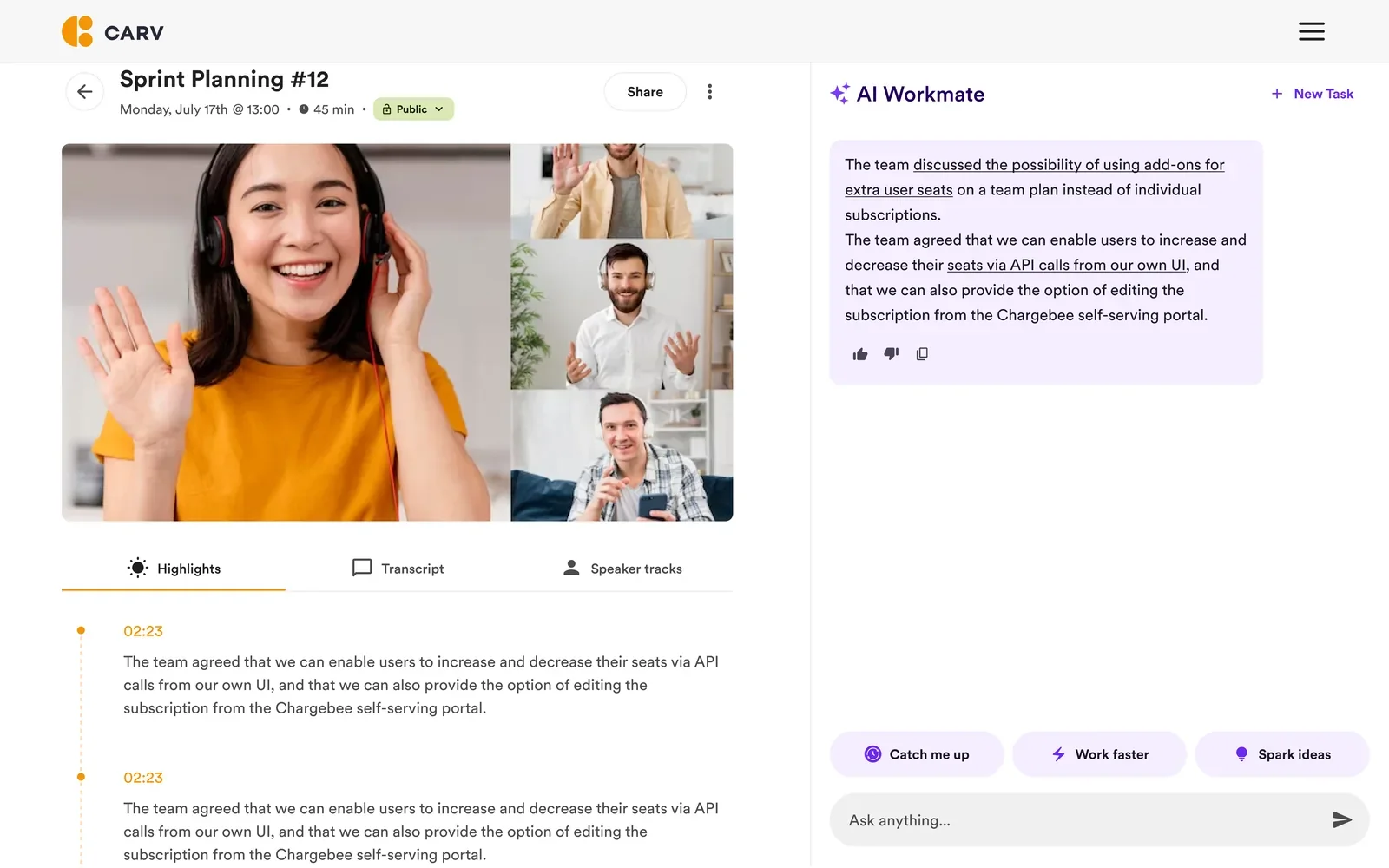
Carv sent a bot to your meetings and turned them into AI summaries, highlights and transcripts, with an AI assistant you could ask about the call. Notetakers are everywhere now, but back then it was new, and Carv was early to the category. The founders knew that larger players like Zoom would come for it.
So they went deep on one vertical: recruitment. Many of Carv’s early adopters were already using the generic tool for recruiting, and the founders had founded and sold a recruitment software company before, so they knew the industry, its problems and its people.
That meant shifting the whole platform from being about meetings to being about recruitment. I joined as Carv’s first designer; until then, its design had been done by an agency.
Opportunity
A small slice of a recruiter’s day, and a lot of friction in it
A recruiter gets a vacancy to fill, finds candidates, interviews them, and presents the top three to five to the client. Carv could help at two moments in that journey: the intake call with the hiring manager, and the interviews, where the recruiter has to turn a conversation into a fact sheet or presentation about the candidate.
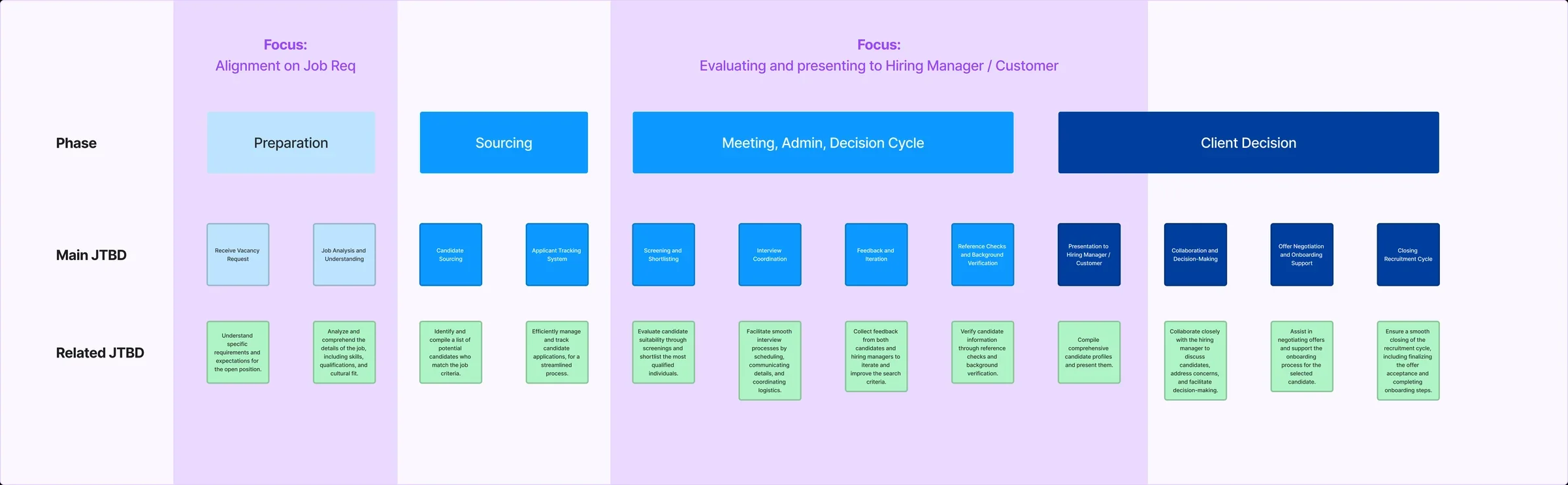
That is only a small part of the journey (sourcing alone is huge), and hundreds of applicant tracking systems already do similar things. The question was whether Carv could create enough value to capture enough value. In the meeting-centric Carv, it couldn’t yet:
- Slow to value. Everything hung off a meeting. A recruiter added the meeting, then attached documents to it, and only then could anything be written. And there was no way to generate a fact sheet: they exported the transcript, or asked the AI assistant and copied its reply out of the chat.
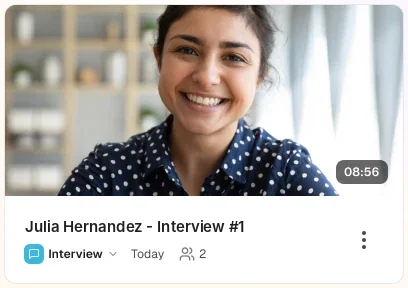
- One meeting, many documents. A candidate has several interviews and a CV, assessments and notes, and the AI could write a better fact sheet from all of them. But each meeting stood on its own.
- Duplicated work. Recruiters already keep candidates in an applicant tracking system (ATS). Having a meeting, then finding that meeting, the job description and the CV, just to get a first draft: the pain might not be worth the gain.
How might we get a recruiter from an interview to an accurate first-draft fact sheet about a candidate, with as little admin as possible?
Approach
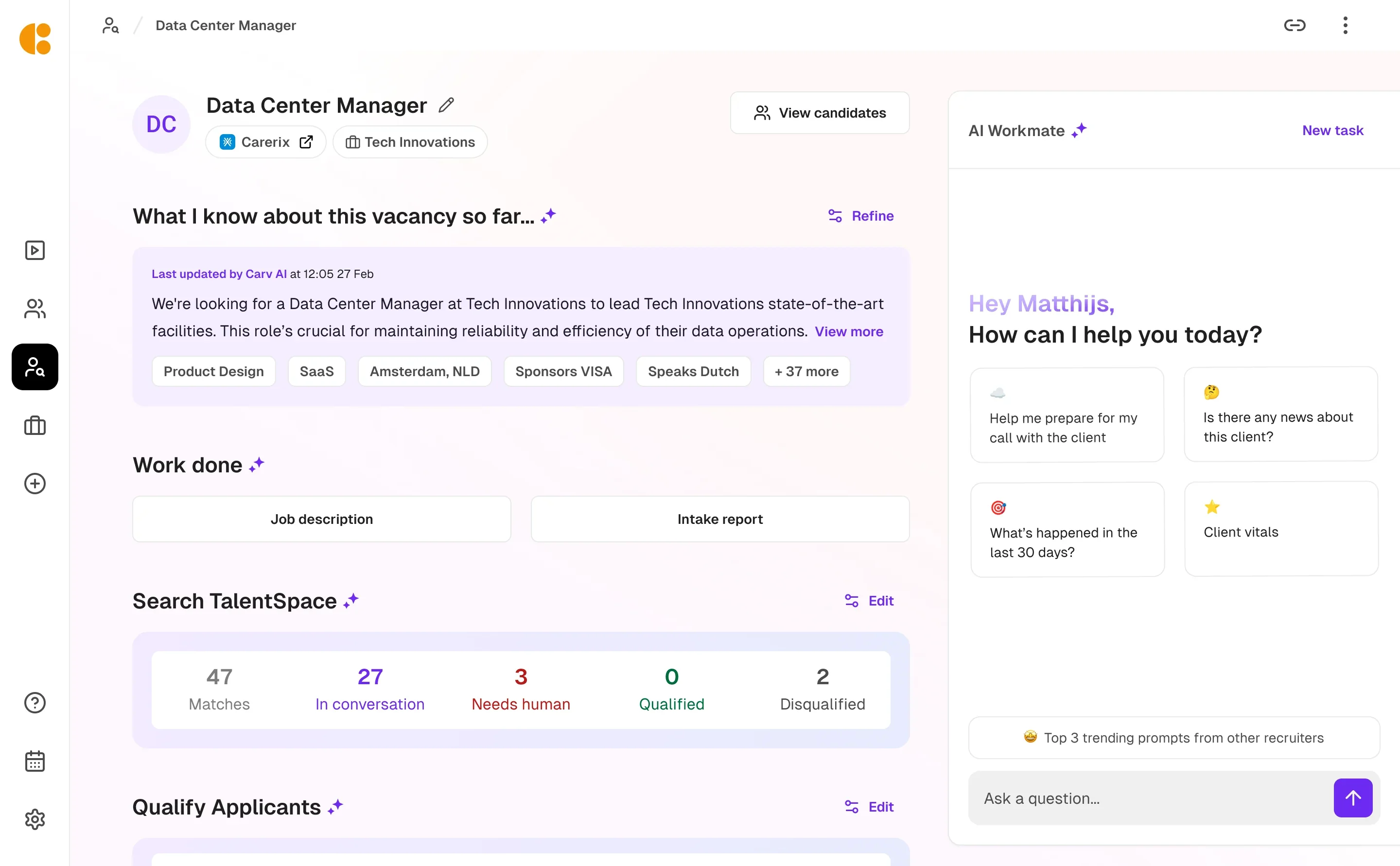
From meeting-centric to candidate-centric
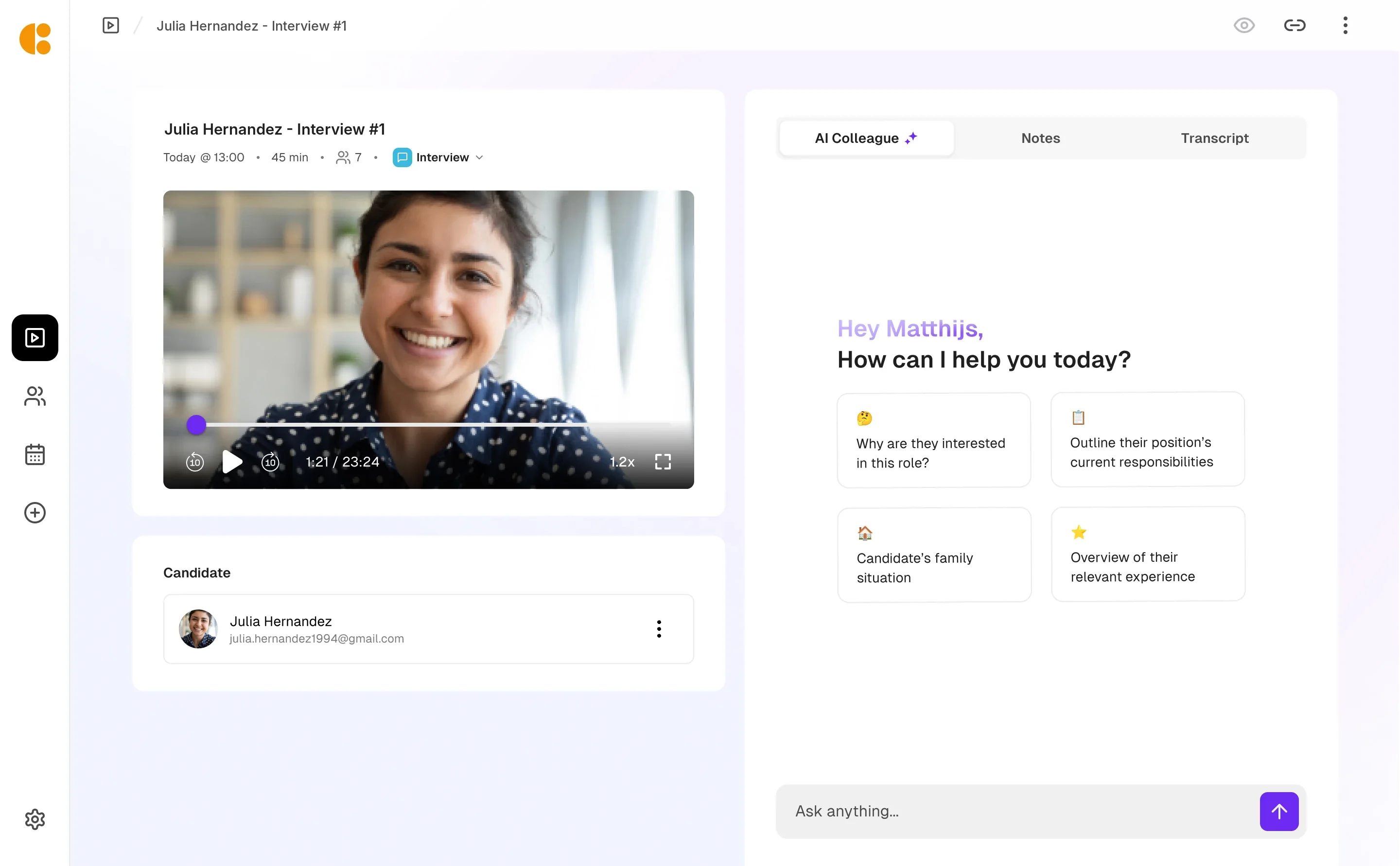
We rebuilt the product around the candidate, not the meeting. When a recruiter has an interview, Carv now does the legwork:
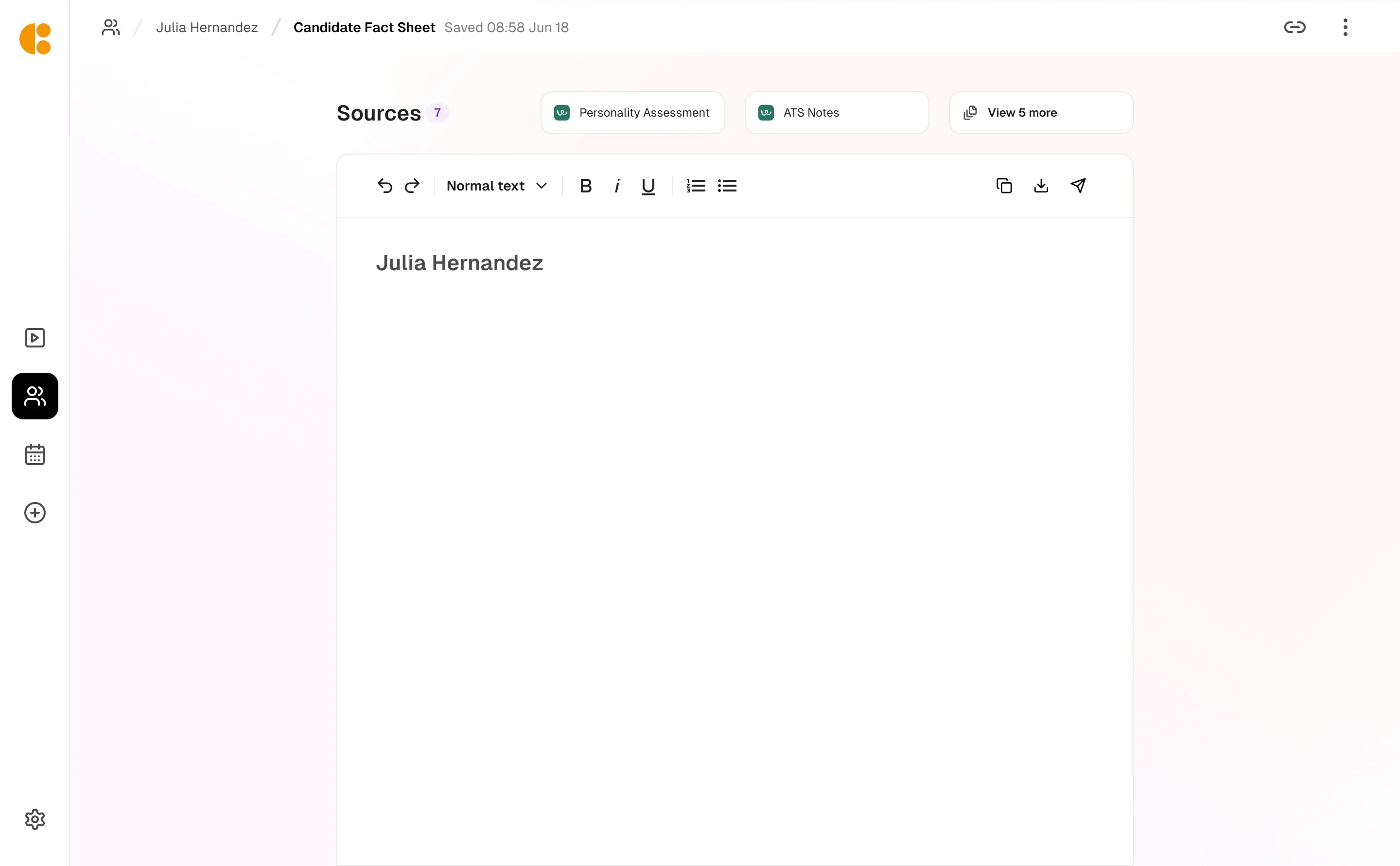
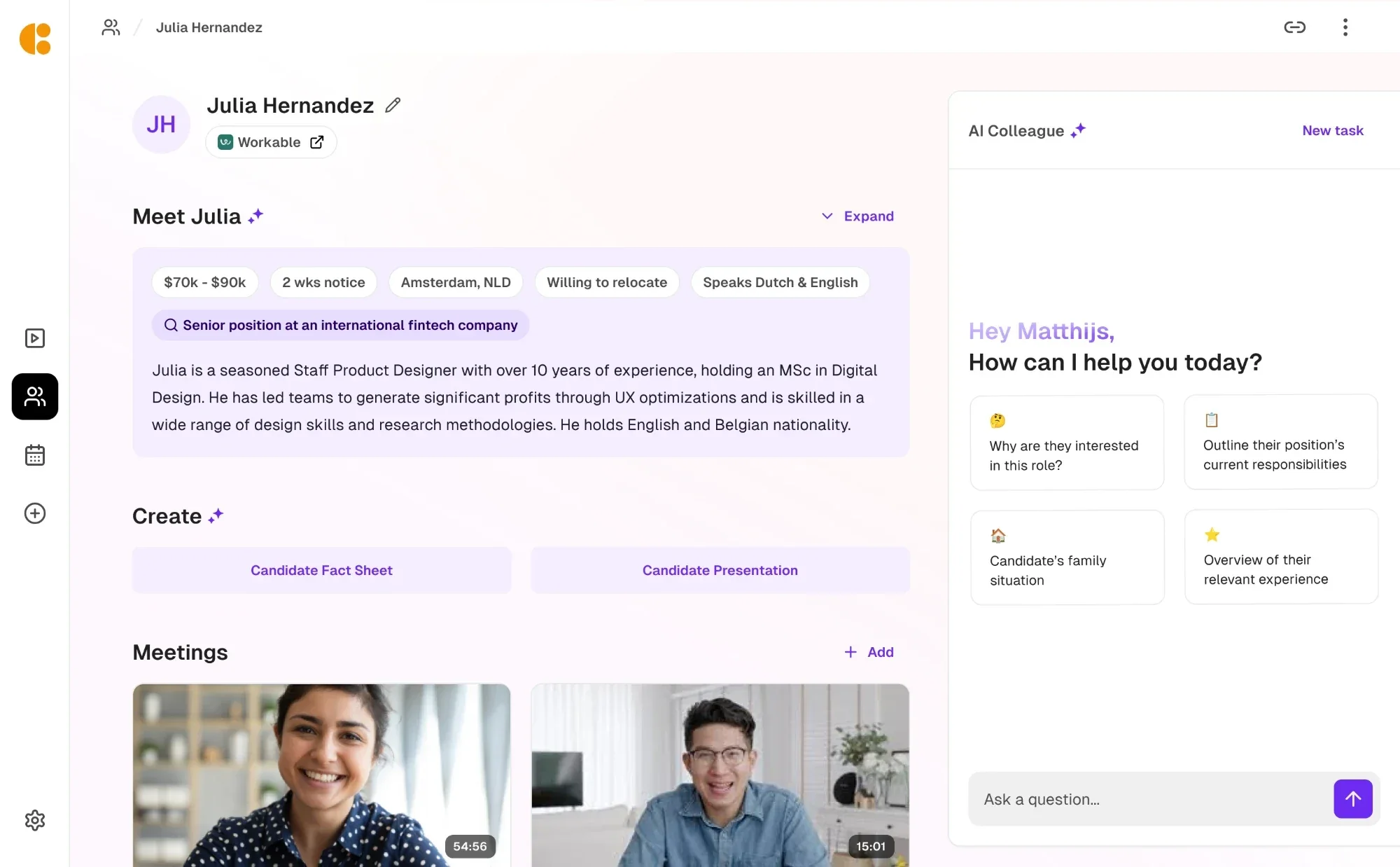
- A candidate area, linked to the ATS. The moment the interview happens, Carv matches the candidate’s email address to their ATS profile and pulls in their documents, so nobody has to go looking.
- Everything about one person, in one place: every interview and document collated into a single candidate, so the AI writes from all of it, starting with a short summary of who they are and what they want (salary, notice period, location, languages, the role they’re after).
- An editable Fact Sheet and Presentation, generated in one click from everything Carv knows about the candidate.
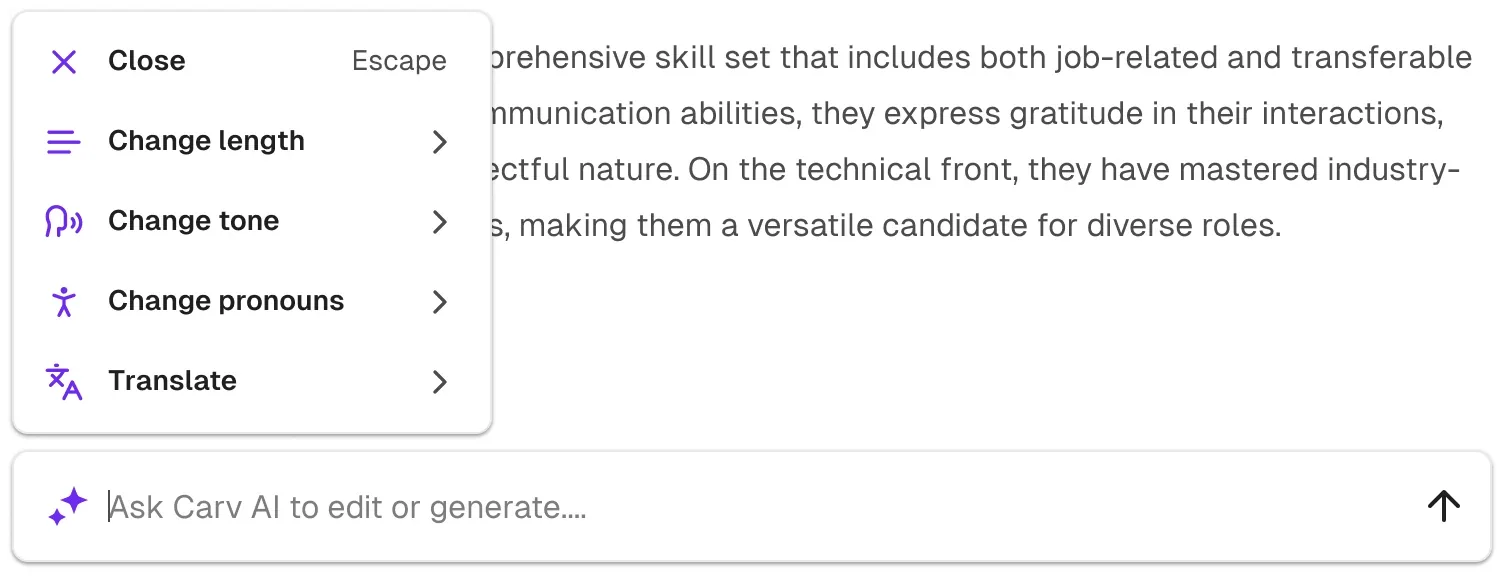
- An AI editor to finish the job. The first draft gets small things wrong (the transcript once heard Carv as “Gary”). Edit changes the length, tone or pronouns, or translates the whole document, taking a roughly 80% draft to roughly 95% before the recruiter’s final edits.
- An AI colleague alongside, to ask anything about the candidate, with example prompts to start the conversation.
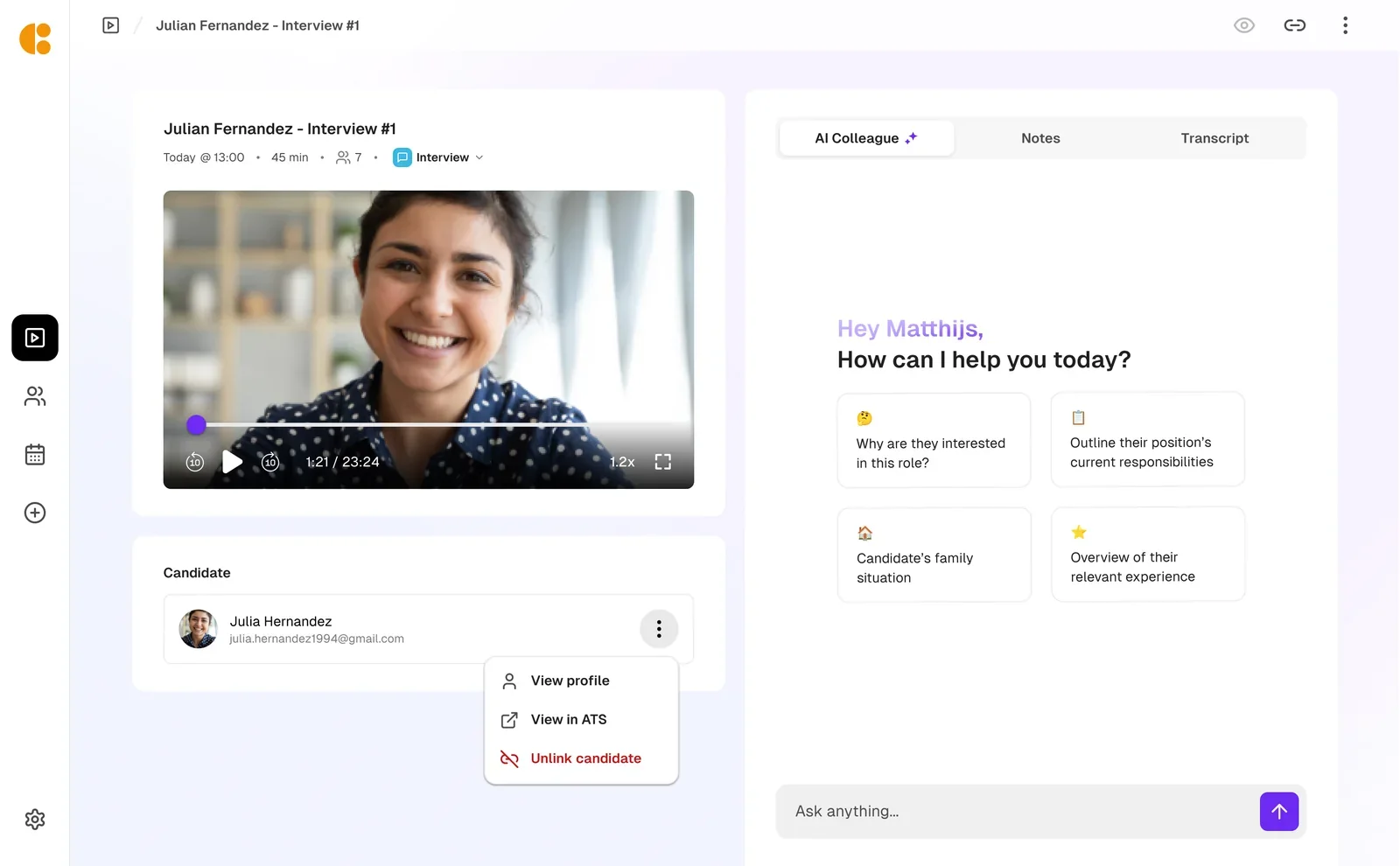
Designed to live inside the ATS too
Partnering with ATSs was a big part of how Carv reached recruiters: Carv sat inside their products in an iframe. So the same candidate area had to work in two places, in Carv itself and inside a recruiter’s ATS, where they already spend their day. I designed it down to an 832px-wide panel for that, alongside the usual responsive breakpoints, so a recruiter could do this work without ever leaving their ATS.
Outcome
Faster to value, and better value
- Revenue grew 10x.
- A shorter time to value, and better value: from an interview to an accurate fact sheet, with the documents pulled in and an editor to take the AI’s first draft the rest of the way.
- An automatic ATS connection that removes tedious, duplicated work.
- An AI colleague that works across the product, acting as a second brain.
- A candidate at the centre of the product, setting Carv up for sourcing and search.